


Bedside Tables Are Not the Problem | Poor Space Planning Is
People often say the same thing when dealing with a small bedroom.
“There’s just no space for a bedside table.”
So they skip it.
Or they squeeze in something bulky that barely fits and makes the room feel tighter.
Either way, it ends up feeling like a compromise.
But here’s the thing.
The problem isn’t the bedside table.
It’s how the space around the bed is being used in the first place.
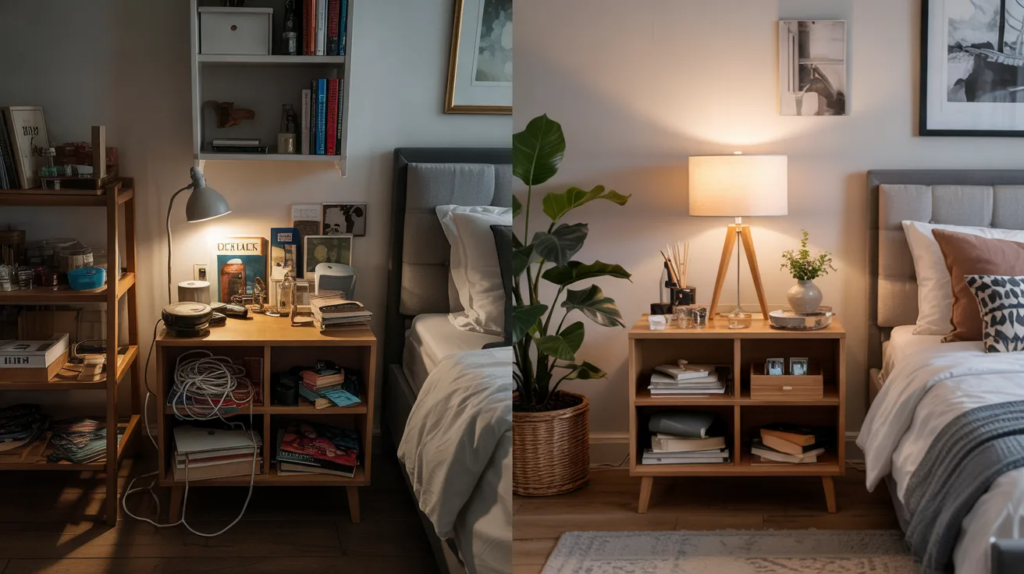
You can walk into a small bedroom with no bedside table, and something feels slightly inconvenient.
Nowhere to put your phone, a book, or even a glass of water.
Then you see another small room, same size, with a slim bedside table that fits naturally, and everything just works better especially with Slim Side Tables.
The difference isn’t space.
It’s how that space is planned.
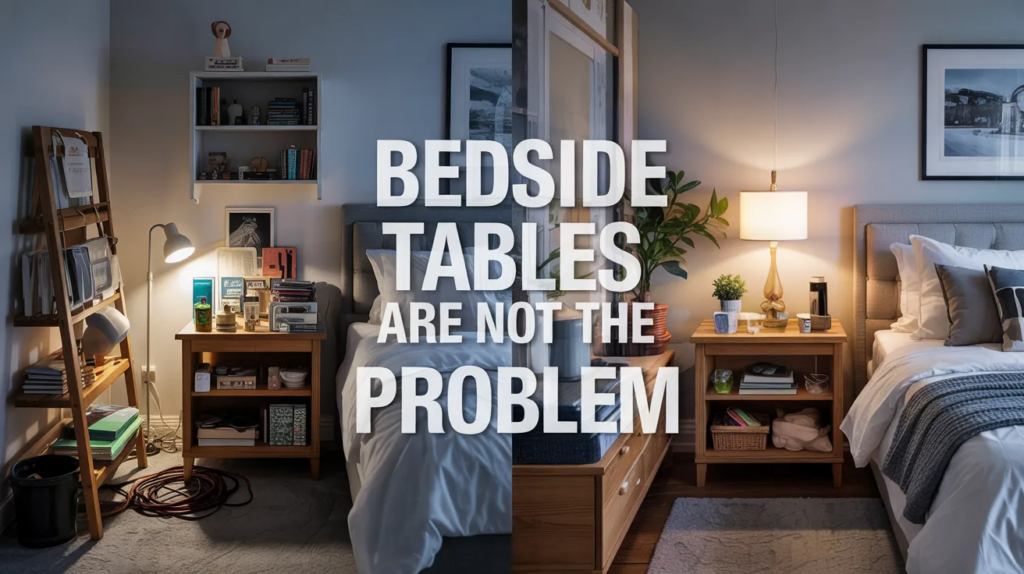
Why Bedside Tables Get Blamed Too Quickly
The problem is, bedside tables are often judged by the wrong standard.
People picture large nightstands with drawers, wide surfaces, something that needs proper space on both sides of the bed.
In a small bedroom, that immediately feels unrealistic.
So the table gets removed from the plan entirely.
But what most people don’t realise is that not all bedside tables are built the same way.
Some are designed for larger rooms.
Others are meant to work in tight spaces without taking over.
And confusing the two is where things start to go wrong.
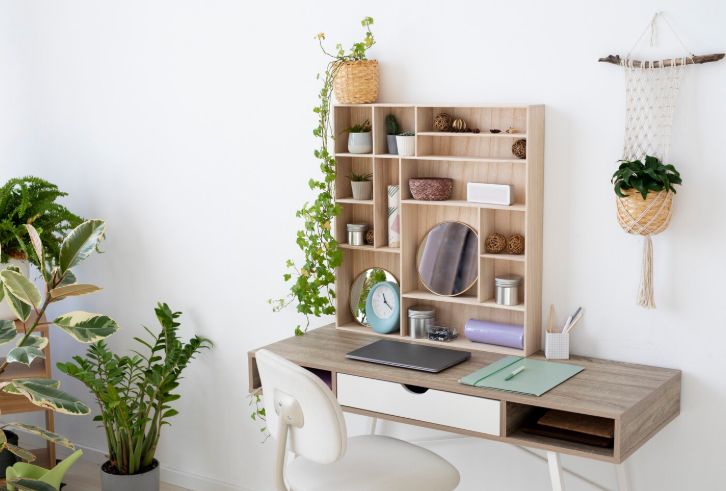
What Most People Don’t Realise About Small Bedroom Layouts
Small bedrooms don’t fail because of furniture.
They fail because of proportion.
A piece that’s slightly too wide or too deep can throw off the entire layout.
Not visually at first, but in how the room feels to move through.
That’s where things start to change.
When you begin to look for narrow bedside tables or compact designs similar to space saving options like Console Tables,
you realise you don’t need much space at all.
Just enough for the essentials.
And placed in a way that doesn’t interrupt movement.
Why Slim Bedside Tables Work Better
Slim bedside tables solve a problem that larger ones create.
They give you a surface where you need it,
without pushing into walking space or making the room feel boxed in.
You still get function.
You just lose the unnecessary bulk.
I’ve seen small bedrooms where replacing a wide nightstand with a narrow one instantly made the space feel more open.
Not because anything was removed,
but because something finally fit the room properly.
Different Options That Make More Sense in Small Spaces
Not every bedside setup needs to be traditional.
A Floating Shelves setup can work just as well in tighter layouts. It keeps the floor clear and makes the room feel less crowded.
Compact bedside tables with open frames feel lighter than solid units unlike bulkier Shelving Units.
They don’t block as much visual space.
Even a small stool or minimal side table can sometimes do the job better than a full nightstand.
The key difference is flexibility.
You’re not forcing one type of furniture into every room.
You’re choosing what actually fits.
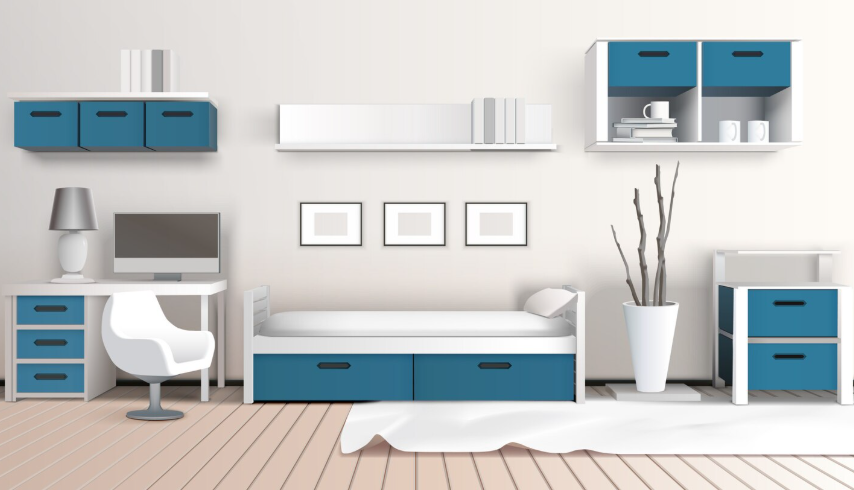
Why One Side Is Sometimes Enough
This is something people don’t always consider.
You don’t always need bedside tables on both sides of the bed.
In smaller rooms, adding just one can be enough.
It handles everything you need, while the other side stays open.
That extra space makes movement easier.
The room feels less crowded without losing function.
It doesn’t feel incomplete.
It feels intentional.
Material and Design Make a Subtle Difference
In tight spaces, visual weight matters more than people expect.
A heavy, dark bedside table can make the area feel tighter, even if the size is technically small.
Lighter wood tones or slim metal frames tend to blend in better.
They feel less intrusive and easier on the eye.
It’s a small detail, but it changes how the space feels overall.
And in a small bedroom, those details add up quickly.
A modern entrance should feel convenient, but it also needs to match the security expectations of the home. Comparing high security entrance doors can help homeowners decide whether a stronger door system is the better long-term choice.
Final Thought
If a bedside table feels like it doesn’t belong in a small bedroom,
it’s usually not because there isn’t enough space.
It’s because the wrong kind of table was chosen.
And once you find something that actually fits the way the room works,
it stops feeling like an extra piece and starts feeling essential especially when paired with Coffee Tables.